
Julio NASCIMENTO・ジュリオ・ナシメント
Ph.D. Candidate・博士後期課程
Department of Religious Studies・宗教学部
University of Pennsylvania・ペンシルベニア大学
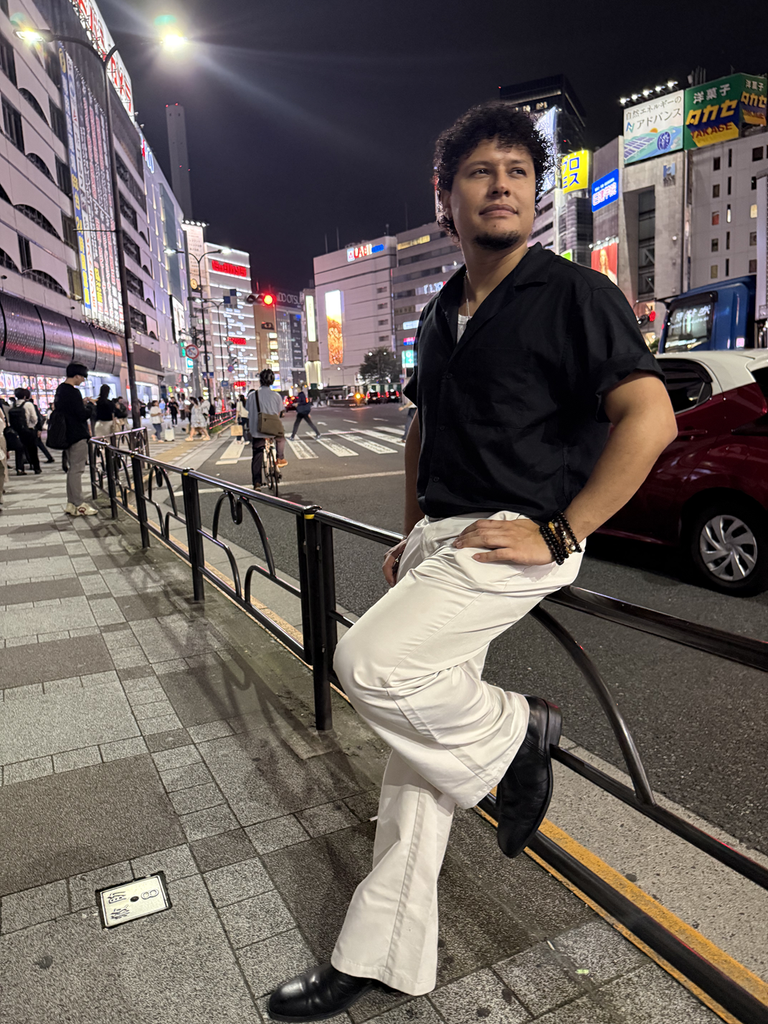
“My time in Tohoku was a significant period in my academic life, and I am grateful for everything I learned in the shachū. After graduating from the University of São Paulo, Orion offered his guidance for my new projects, and that opened doors to amazing possibilities. I came to the Modern Japan Seminar in 2018 and found a warm department with brilliant professors who prompted me to start asking important questions: Who wrote it? Why? For what purpose? In what context? The bilingual environment also allowed me to use both Japanese and English, and I was fortunate to have amazing colleagues who brightened the atmosphere. The professors encouraged me to pursue an international career, so I started a PhD in the United States. However, these years in Tohoku were foundational for my scholarly identity, and our weekly readings grounded my initial knowledge of scholarship on religion in Japan. I still miss the sofa in the library, though. It was perfect for naptime.”
呉佩遥 (Peiyao Wu)
中国上海師範大学 人文学院 准教授
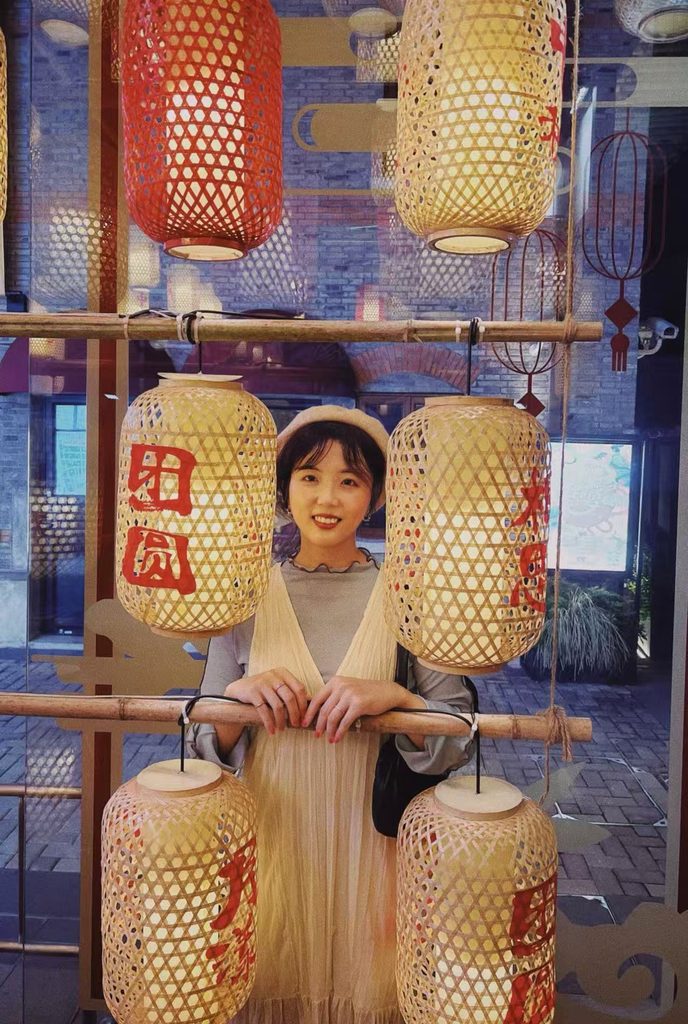
「日本に来る前、「近代仏教」の研究は、私にとって遠い存在のように感じていました。しかしゼミで学ぶうちに、それが日本の「近代」とは何か、東アジアの知的ネットワークはいかに変遷してきたかといったより大きな問いと結びついていることに気づきました。研究とは地道な作業の積み重ねであるといわれますが、ゼミの皆さんとともに考え、悩み、励ましあう時間があったからこそ、続けるエネルギーを得ることができました。論文の発表はもちろん大きな達成感をもたらしますが、いま振り返ってみると、問いを見つけ、仲間とともにそれを深めていく過程が、最も有意義な時間だったのかもしれません。」
亀山 光明 (Mitsuhiro Kameyama)
武蔵野大学 通信教育部 講師
プリンストン大学 宗教学部 PhD candidate at Princeton University
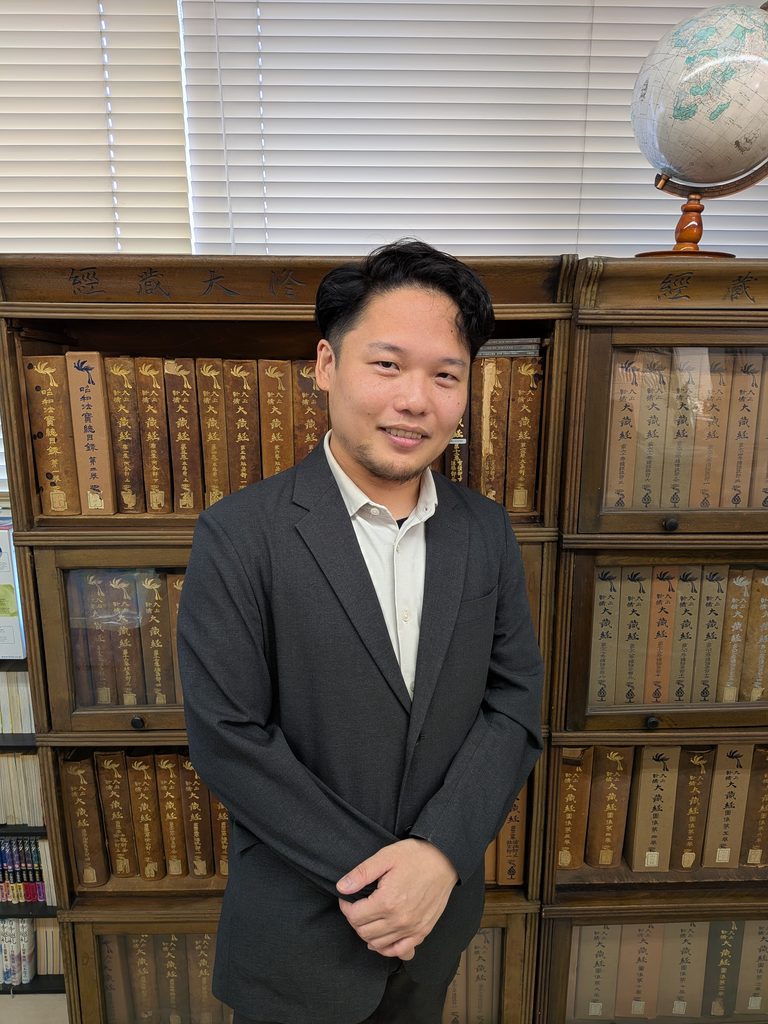
「国際文化研究科の日本宗教・思想史講座は、東北大学の強みである日本思想史・宗教学の研究に、グローバルな視点を掛け合わせた研究室です。私は2017年に関西の大学から進学し、ここで多くのことを学びました。国内外から多様な研究者や学生が集まっており、まさに「多士済々」と呼ぶにふさわしい環境です。一人の教員だけに閉じた形で学ぶというよりも、教員やポスドク、学生同士、時には外部の研究者も交えながら、互いに学び、教え合うスタイルが根づいているように思います。そうした雰囲気もあって、学生同士の距離も近く、温かくアットホームな環境です。とくに、これまでとは異なる環境に身を置いて新しいことに挑戦したい方や、自分の研究の視野をさらに広げたい方には、ぜひ進学を考えていただきたいと思います。私自身も他大学から進学しましたが、異なる背景をもつ人が外から加わることを自然に受け入れてくれる研究室です。東北大学の外で学んできた方にも、ぜひ新しい選択肢の一つとして考えてもらえればと思います。」
Larissa Redditt
PhD candidate, Department of History, University of Wisconsin-Madison
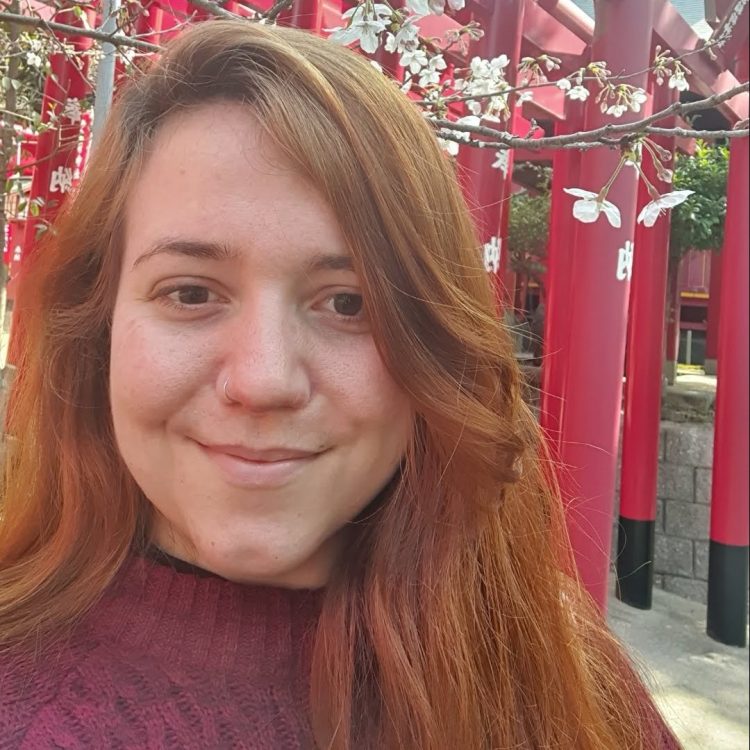
“I studied at Tohoku University as a research student from 2017 to 2020, focusing on modern discourses about ancient Japan. I arrived with an interest in kofun tombs, and my time in the modern Japan seminar helped me develop that interest into problems of historiography and interpretation of the distant past and understand how we think about these issues today.
One of the most valuable aspects of the seminar was the opportunity to engage with both scholarship and primary sources, and it also helped me work on my Japanese language skills. The international character of the program helped me transition from my previous academic experience in Brazil, at the same time preparing me for entering a PhD program in the United States. The opportunity to discuss my work with Professors Klautau and Godart and my fellow students in our weekly meetings really helped me become more confident in presenting my research and communicating my ideas. Beyond my own project, learning about other students’ research helped me understand the broader field of modern Japanese religion with discussions of secularization, belief, superstition, precepts, etc.
I am now a PhD candidate at the University of Wisconsin-Madison, where I research early modern and modern reinterpretations of ancient kofun sites in northern Kyushu. The experience I gained at Tohoku continues to inform how I think about my object of study, bridging scholarship on ancient and modern history, as well as archaeology, understanding modernity as the lens through which Japanese historiography has looked at these sites
My experience at Tohoku also extended beyond the seminar. I was able to find community in Sendai and make lifelong friendships. Living in Sendai was also my first opportunity to experience winter, and the memory of walking through a snow-covered campus remains magical to me.
For students considering joining the seminar, I would particularly highlight how it is the best of both worlds: Japanese academia and international academia.”