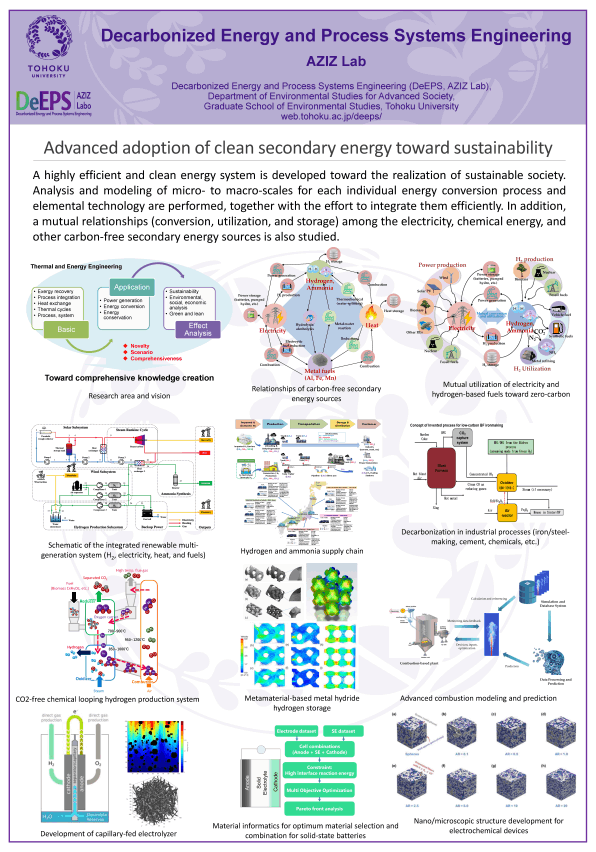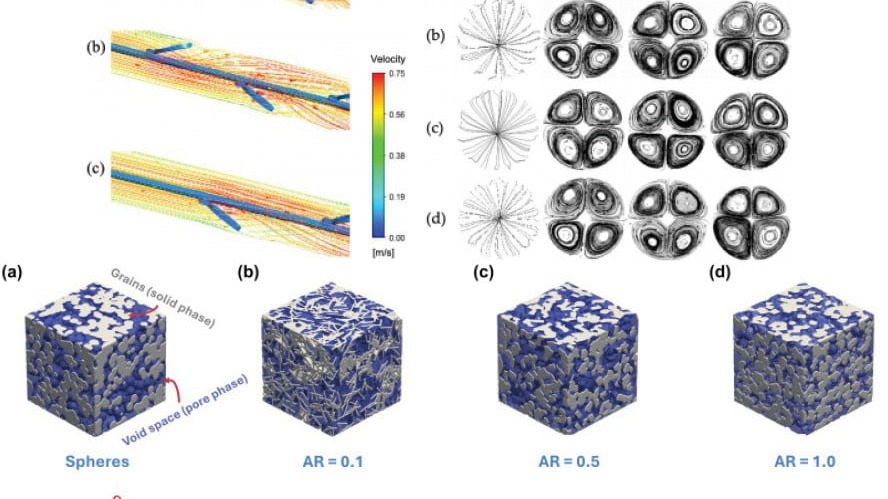
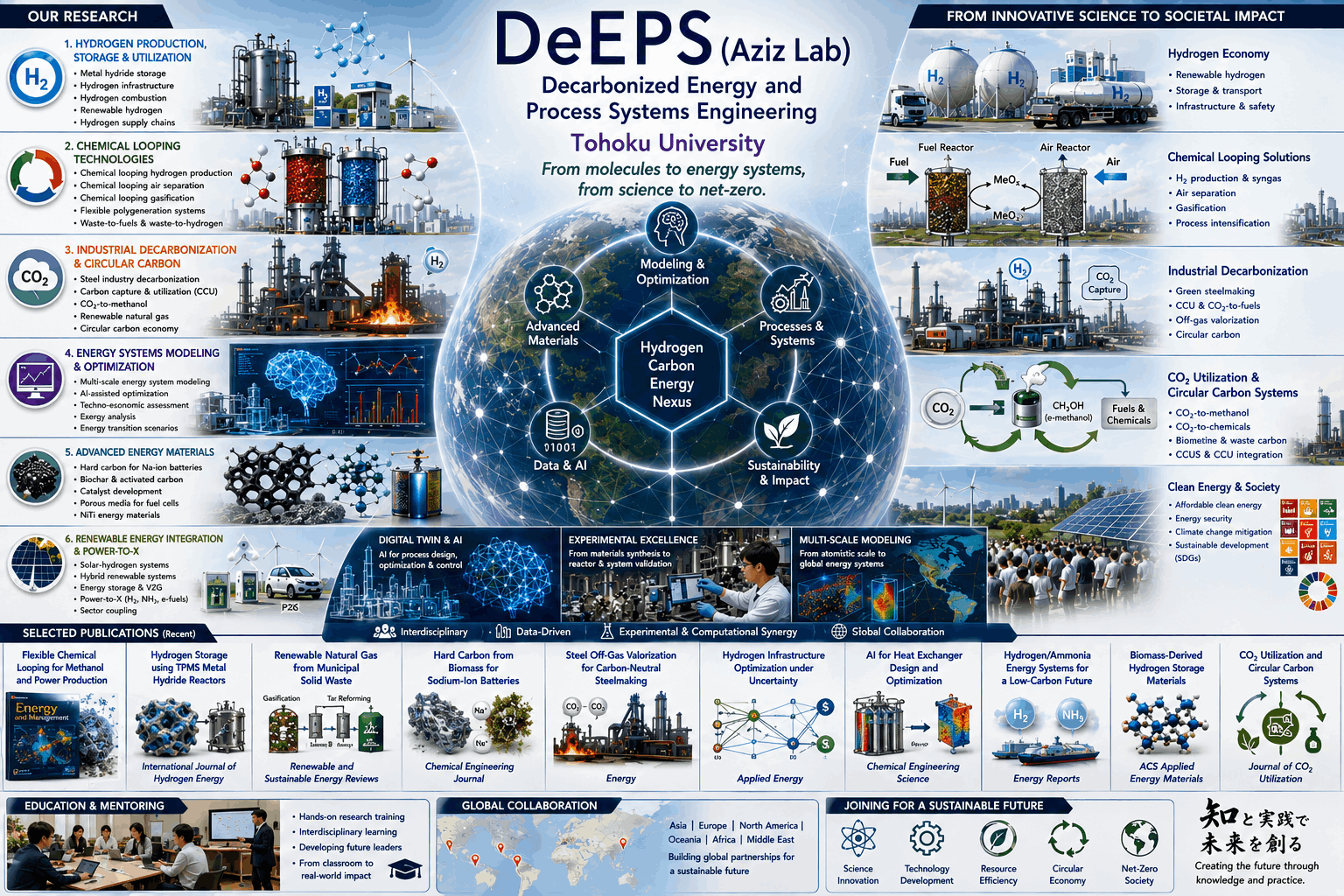
Area of research deals mainly with the idea of a “decarbonization toward the realization of sustainable energy, industry, and society,” covering some keywords of decarbonized system, energy system design, carbon-free secondary energy, process integration and optimization, advanced energy conversion, thermal engineering, heat transfer, energy saving, waste-to-energy, renewable energy, hydrogen, energy storage (including battery and electric vehicle), and energy utilization. Below are several research contents performed currently in our laboratory. However, as the research is developing, newer research topics are added and conducted at any time.
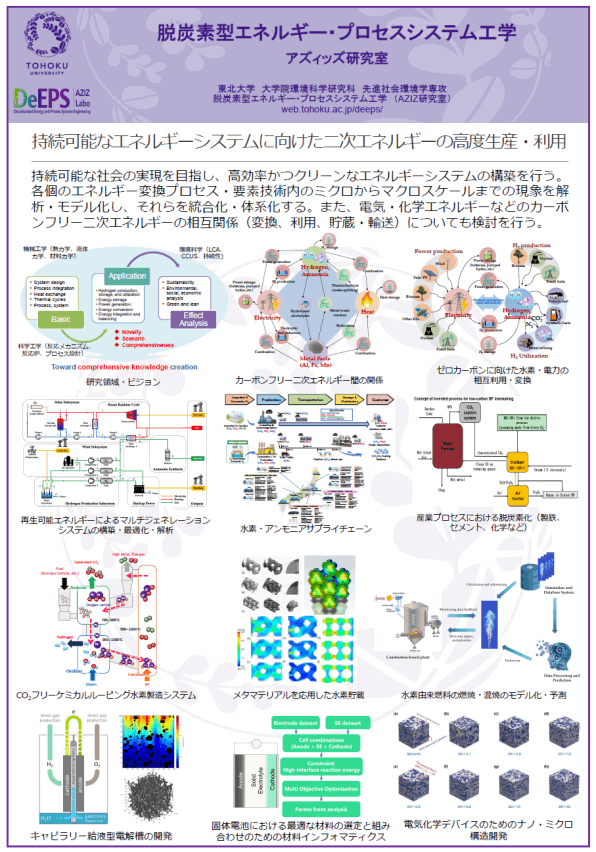
当研究室は持続可能な社会の実現を目指し、高効率かつクリーンなエネルギーシステムの構築を行う。各個のエネルギー変換プロセス・要素技術内のミクロからマクロスケールまでの現象を解析・モデル化し、それらを統合化・体系化する。また、化学エネルギーだけではなく、電力の高度生産・利用および化学エネルギーとの相互変換・利用についても検討を行う。 以下に、当研究室で現在行われている研究内容をいくつか紹介する。しかし、研究の発展に伴い、随時新しい研究テーマが追加され、実施されてい行く。
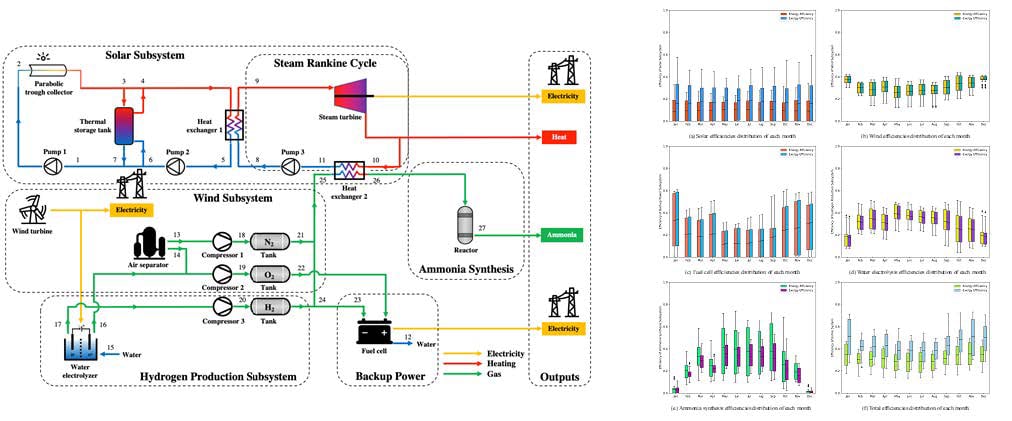
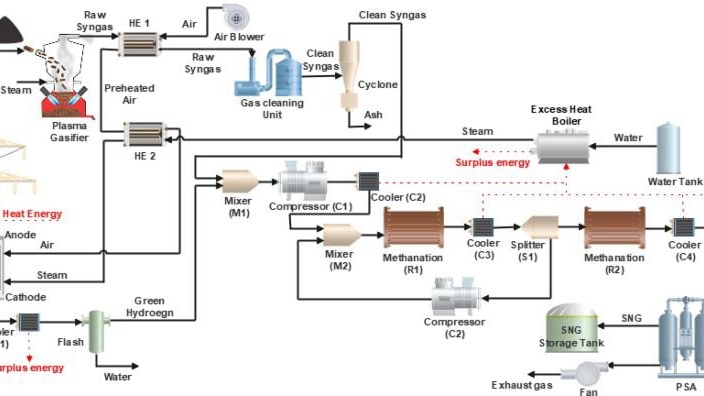
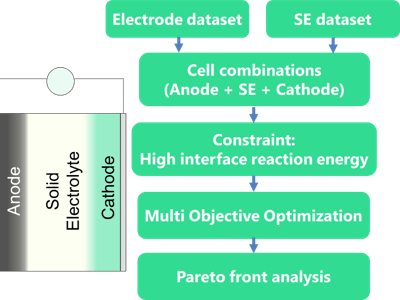
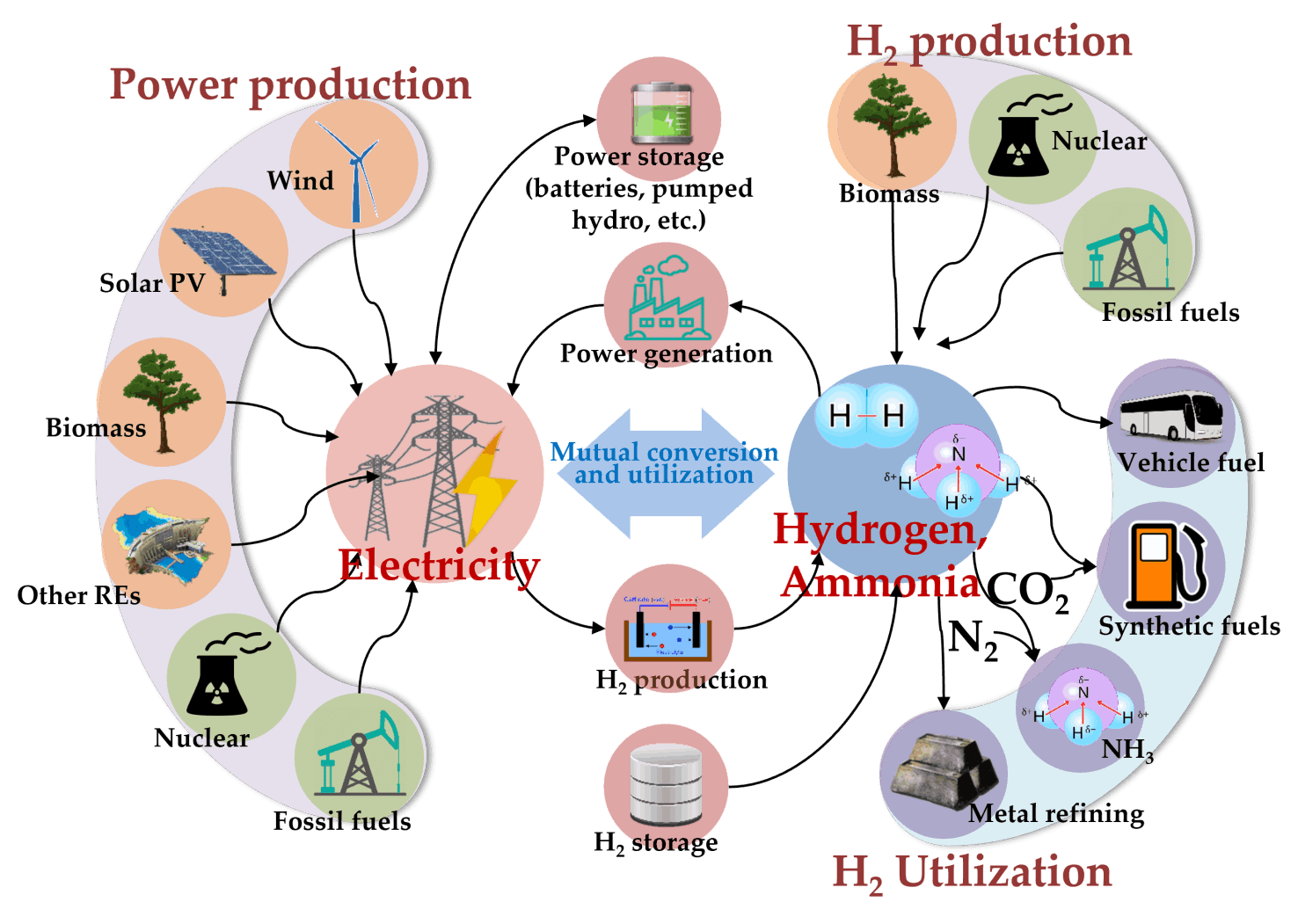
Design, integration, and optimization of industrial and energy systems are conducted, including the introduction of clean and carbon-free energy sources (both primary and secondary), creation of systems and networks for their interconversion and utilization, and building new integrated or retrofitting systems. Integration and optimization of the overall system, as well as individual energy conversion processes, are performed. To model a feasible and dynamic system, various big data are utilized to establish optimal operating parameters, e.g., by big data-based machine learning and genetic algorithm, and to evaluate overall system operation. In addition to technical evaluation, this study will also conduct economic feasibility studies.
クリーンでカーボンフリーのエネルギー源(一次および二次)の導入、それらの相互変換と利用のためのシステムとネットワークの構築、新しい統合システムの構築や改修など、産業およびエネルギーシステムの設計、統合、最適化を行う。個々のエネルギー変換プロセスだけでなく、システム全体の統合と最適化も行われる。実現可能で動的なシステムをモデル化するために、様々なビッグデータを活用し、ビッグデータに基づく機械学習や遺伝的アルゴリズムなどによって最適な運転パラメータを設定し、システム全体の運転を評価する。また、技術的な評価だけでなく、経済的な実現可能性の検討も行う。
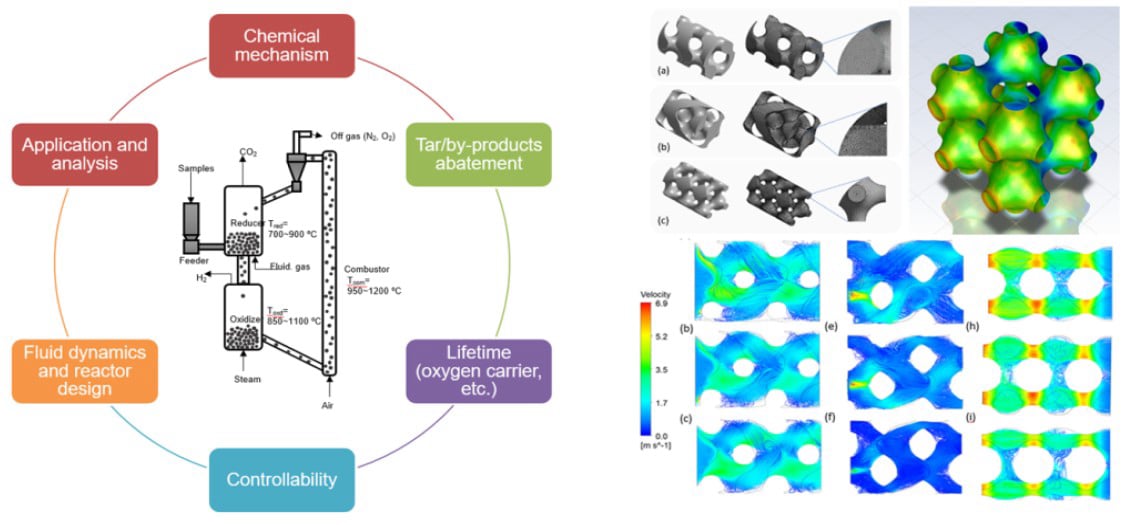
Highly efficient hydrogen production, storage, and utilization systems are modeled and analyzed based on the concepts of exergy recovery and process integration. Hydrogen production employs chemical looping (one of the flagship technologies in our lab), which is able to separate CO2 and produce highly pure hydrogen. Both experiments and simulations are conducted to establish the process, increase efficiency, and solve problems for the application. For hydrogen storage, to achieve higher efficiency and performance in metal hydride hydrogen storage, a triply-periodic minimum surface (TPMS, a structure which is lightweight, very strong, and has a large surface area per volume) structure is introduced as the basic structure, and its optimal structure, operating conditions, and system integration are verified. Regarding hydrogen utilization, advanced combustion simulations (turbulence models and detailed chemical reactions) are developed to model and analyze complex and difficult-to-visualize hydrogen and ammonia combustion flames to achieve a more accurate prediction of hydrogen combustion phenomena. It also aims to establish a digital twin technology in hydrogen combustion by using accumulated data and machine learning techniques to achieve short-time and low-resource calculations.
高効率な水素製造・貯蔵・利用システムを、エクセルギー回収とプロセス統合の概念に基づいてモデル化し、解析する。水素製造では、CO2を分離して高純度の水素を製造できるケミカル・ルーピングを採用している。開発中のケミカル・ルーピング・システムは、3つの反応器(還元、酸化、燃焼)で構成され、酸素キャリアは反応器間を循環する。本研究では、実験とシミュレーションの両面から、プロセスの確立、高効率化、実証に向けた問題解決を行っている。水素貯蔵については、金属水素化物の水素貯蔵においてより高い効率と性能を達成するために、基本構造として三周期最小面(TPMS)構造を導入し、その最適構造、運転条件、システム統合を検証している。TPMS構造の特性を効率的に利用することで、従来の金属水素化物水素貯蔵の性能を大幅に向上させることができると期待される。水素利用に関しては、複雑で可視化が困難な水素やアンモニアの燃焼火炎をモデル化・解析する高度燃焼シミュレーション(乱流モデル、詳細化学反応)を開発し、水素燃焼現象の高精度予測を実現する。また、蓄積されたデータと機械学習技術を活用し、短時間・低資源での計算を実現することで、水素燃焼におけるデジタルツイン技術の確立を目指す。
This topic deals with the development of future energy systems, covering multi-disciplinary fields of mechanical,
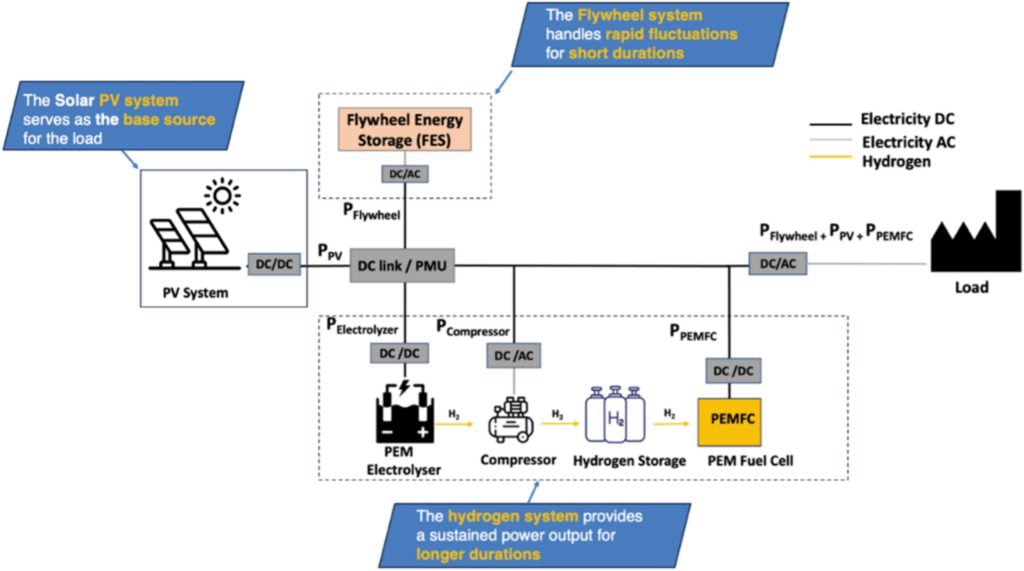
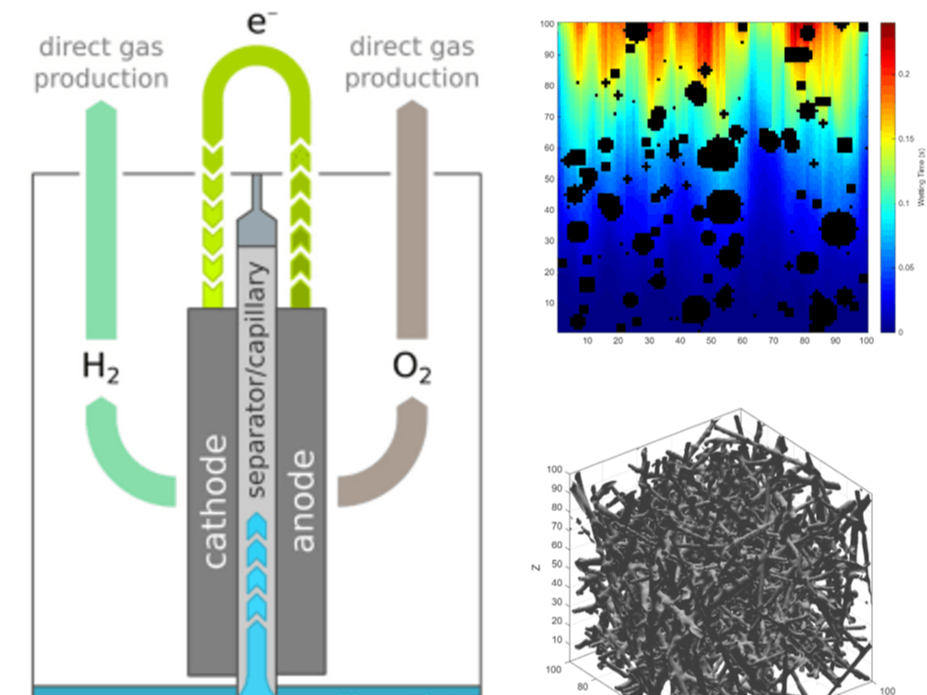
chemical, and electrical engineering. There are several main topics in this section: the development of environmentally-friendly iron-based redox flow battery, optimization of nanoscale structure for electrochemical energy storage systems (electrolyzer, fuel cell, etc.), the utilization of electric vehicle (EV) and battery in energy systems, and the adoption of hydrogen as energy storage in the electrical grid system. In the case of battery and EV utilization, both of them have the potential to perform ancillary services to the grid, such as frequency regulation and energy storage. Furthermore, the analysis of hydrogen storage in a massive electrical grid system, instead of pumped-hydro and battery, is developed and analyzed. In the future energy system, both hydrogen and batteries (including EVs) have great potential as they perform important roles as energy storage and carriers, including in industrial systems.
機械工学、化学工学、電気工学の多分野にまたがる将来のエネルギーシステムの開発も実施している。環境に優しい鉄系レドッ クスフロー電池の開発、電気化学エネルギー貯蔵システム(電解槽、燃料電池など)のナノスケール構造の最適化、エネルギーシ ステムにおける電気自動車(EV)と電池の利用、電力網システムにおけるエネルギー貯蔵としての水素の採用などである。電池 とEVの利用については、いずれも周波数調整やエネルギー貯蔵など、系統のアンシラリーサービスを行う可能性がある。さら に、揚水発電とバッテリーの代わりに、大規模な電力系統システムにおける水素貯蔵の分析を開発し、分析した。将来のエネルギ ーシステムにおいて、水素とバッテリー(EVを含む)は、産業システムを含め、エネルギー貯蔵とキャリアとして重要な役割を果たすため、大きな可能性を秘めている。
Different and novel systems and processes to utilize and upgrade various law-rank fuels and energy sources (including low-level heat) are being developed.
さまざまな低品位燃料やエネルギー源(低品位熱を含む)を活用・高度化するための、独創的で斬新なシステムやプロセスが開発されている。
Development of elemental technologies is also conducted in our laboratory, including:
1. Heat exchange enhancements,
2. Micro and nanostructure development and optimization for electrochemical devices
3. Iron-based redox flow battery
4. Innovative structures for phase change materials
5. Capillary electrolyzer and fuel cells
当研究室では、以下の分野を含む基盤技術の開発も行っています:
1. 熱交換効率の向上
2. 電気化学デバイス向けの微細・ナノ構造の開発および最適化
3. 鉄系レドックスフロー電池
4. 相変化材料向けの革新的な構造
5. キャピラリー電解槽および燃料電池
Best AI Website Creator